High-touch surface disinfection
Handles, switches, taps, rails, shared tabletops, chair backs, and bin lids treated on every visit with correct dwell time rather than a quick pass.
Serving Boca Raton, Florida & surrounding areas
Mon–Fri 8am–6pm · Sat 9am–2pm
Schools & Daycare · Boca Raton
Classrooms, restrooms, and shared play areas cleaned around the timetable, with high-touch surfaces treated as the priority they actually are.
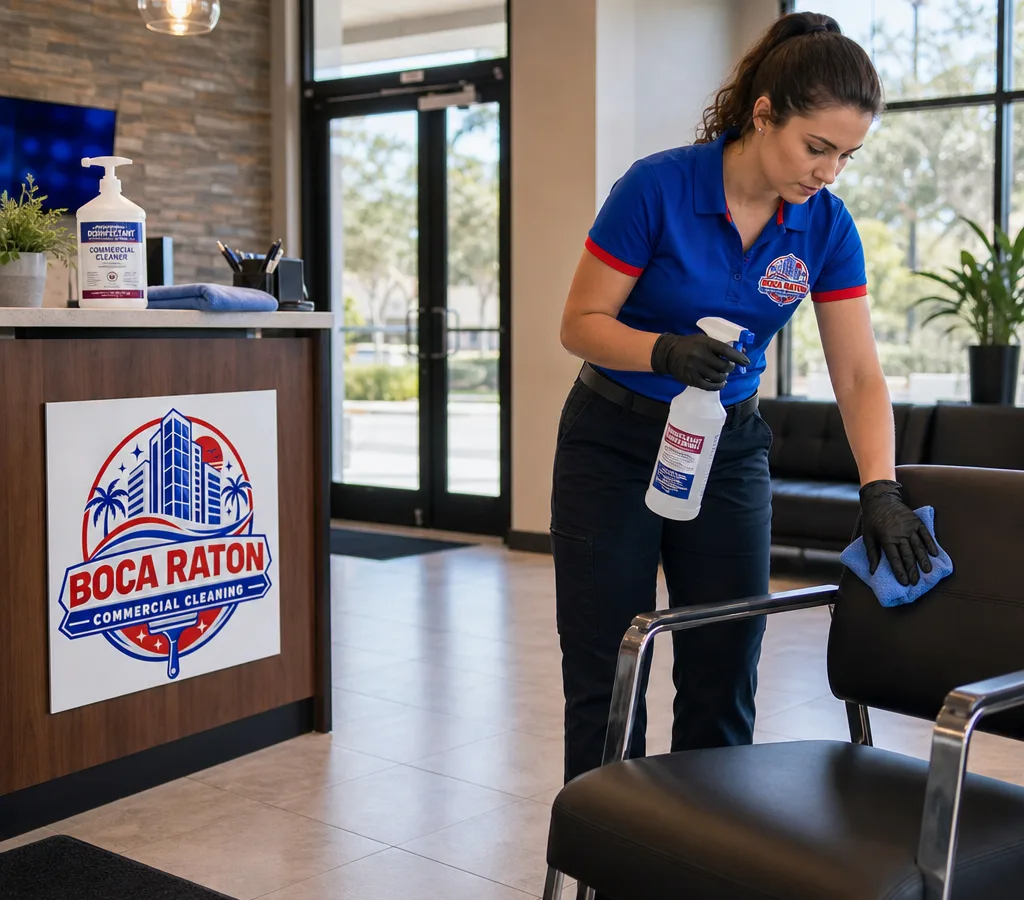
In a classroom the door handle, the tap, and the tabletop matter more than the floor. Cleaning should be weighted that way.
How illness actually travels
In a school or daycare, the surfaces that spread illness are not the ones that look dirty. They are the door handles, light switches, tap handles, shared tabletops, chair backs, toy bins, and the restroom touchpoints that dozens of small hands reach for every single day.
That changes what good cleaning looks like. A visually spotless classroom with untouched handles has failed at the thing it was supposed to do, which is why touchpoint mapping matters more here than in almost any other environment.
Products matter too. Classrooms need materials that work without leaving a strong chemical smell in a room children return to in the morning, and with dwell times that are actually observed rather than wiped off in three seconds.
We work with schools, preschools, and daycare centers across Boca Raton, where term schedules, after-school programs, and summer camps mean the building is rarely as empty as the timetable suggests.
Classroom to playground
Handles, switches, taps, rails, shared tabletops, chair backs, and bin lids treated on every visit with correct dwell time rather than a quick pass.
Under desks and in corners where craft debris, sand, and dropped food collect, plus the reading-corner and activity-mat areas.
Fixtures, floor edges, and the surfaces at the height children actually touch, which sit below where an adult naturally cleans.
Hard surfaces in play spaces, activity tables, and the storage units that hold shared equipment between sessions.
Tables, benches, serving surfaces, and the floor underneath, where spills become sticky and attract pests if left across a weekend.
Adult areas kept to an ordinary workplace standard so the classroom-focused scope does not quietly leave them out.
Working around the timetable
The main clean happens after the children have gone, which for most sites means early evening rather than the middle of the night, since many buildings run after-school programs well past the final bell.
Daycare centers are harder, because they often operate close to twelve hours a day with very little dead time. Those sites usually need a short mid-day touchpoint and restroom pass alongside the main clean.
Illness season changes the weighting. Through the winter months, touchpoint frequency should rise even if nothing else does, because that is the intervention that actually affects transmission.
Breaks and the summer gap are when the heavier work belongs: floor restoration, full classroom resets, storage areas, and the detail work that is impossible to do properly in a two-hour evening window.
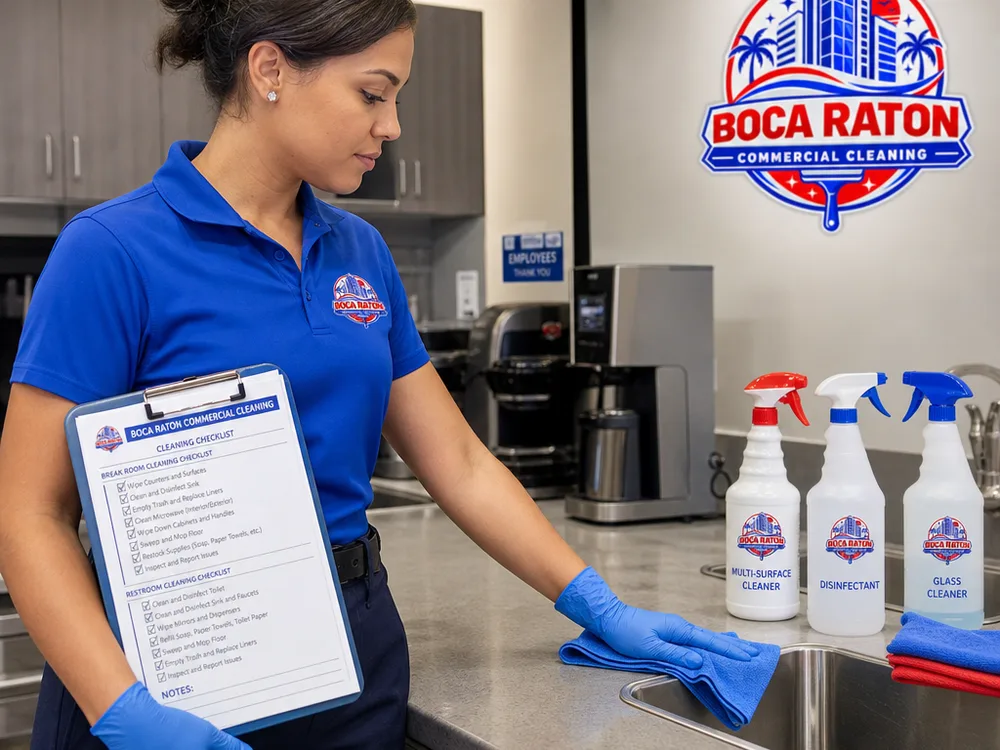
We map the building room by room and identify every high-touch surface, because that list is the backbone of the whole scope.
We confirm what may be used around children, any allergy or sensitivity requirements, and where products must be stored and locked.
We build the schedule around class hours, after-school programs, and any mid-day pass, so crews never work in an occupied classroom.
Service starts on a written per-room checklist, and we review it each term rather than letting a scope set in September run unchanged all year.
Cost factors
School and daycare cleaning commonly runs between about $1,000 and $4,500 per month, driven by classroom count, restroom count, and whether a mid-day pass is included. Daycare centers usually cost more per square foot than schools because of the touchpoint density and longer operating hours.
Restrooms and touchpoint frequency move the number far more than floor area. A small preschool with three child-height restrooms and a mid-day pass can cost more than a larger building with adult facilities and an evening-only schedule.
For administrators
The main clean is scheduled for after children have left. Where a site needs a mid-day restroom and touchpoint pass, that work is arranged with your staff so crews are never working unsupervised in an occupied classroom.
We use products suited to occupied-building use with low residual odor, and we observe the dwell time a disinfectant actually needs to work. Tell us during setup about any allergy or sensitivity requirements and we will match the product list to them.
We map high-touch points room by room during the walkthrough: handles, switches, taps, rails, shared tabletops, chair backs, and bin lids. That map becomes the checklist, so the priority surfaces are treated every visit rather than when someone remembers.
Yes, and the most useful change is touchpoint frequency rather than anything else. Through the winter months we raise the frequency on handles, taps, and shared surfaces, which is the part that actually affects how illness moves through a building.
Breaks are when the heavy work belongs: floor restoration, full classroom resets, storage and cupboard areas, and detail that cannot be done in a short evening window. We plan those dates in advance so the building is ready before term restarts.
Send us the requirements your school or center operates under during the quote stage and we will confirm in writing what we can meet before service begins. It is far better settled up front than discovered during an inspection.
Book a site walkthrough
Tell us your classroom and restroom count, your hours, and whether you need a mid-day pass. We will walk the site and map the high-touch surfaces before quoting.
Request a quote
Send the size, type of building, and how often you need service. We reply with a written scope and a price, and we will walk the site before anything is agreed.